With humor and compassion, Silver Skies chronicles the unexpected events that occur when a group of eccentric seniors have their lives turned upside down by the sale of their beloved apartment complex.
Q&A schedule: at the Fine Arts after the 7:20pm screening on Friday 9/30 and at the Town Center after the 4:40pm and 7:20pm screenings on Saturday, October 1.
These are the cast members who will be in attendance:
Friday: Barbara Bain, Valerie Perrine, Mariette Hartley, Jack McGee and Jack Betts.
Saturday: Barbara Bain, Mariette Hartley, Jack McGee.
Director Rosemary Rodriguez and producer Nestor Rodriguez will also be in attendance at both theaters at all three screenings.

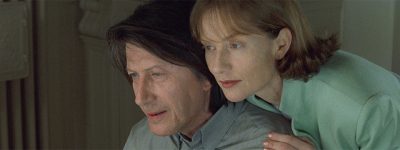
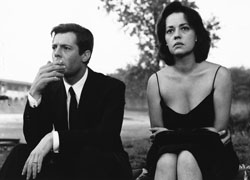 We’ll also soon screen two by Michelangelo Antonioni: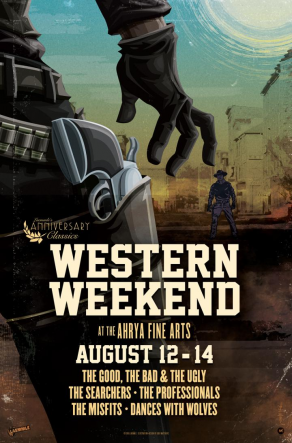
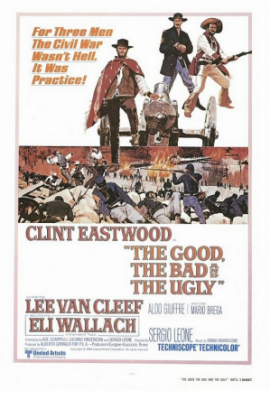 We open our sagebrush weekend with the “third and best of Sergio Leone’s ‘Dollars’ trilogy… the quintessential spaghetti Western,” according to Leonard Maltin. The trilogy became the most popular of the hundreds of European Westerns made in the 1960s and 70s. The Good, the Bad and the Ugly, set during the Civil War in New Mexico, is actually a prequel to A Fistful of Dollars and For a Few Dollars More, all of which starred Clint Eastwood as Blondie, or the Man with No Name. Leone and his screenwriters considered the film a satire with its emphasis on violence and deconstruction of Old West romanticism.
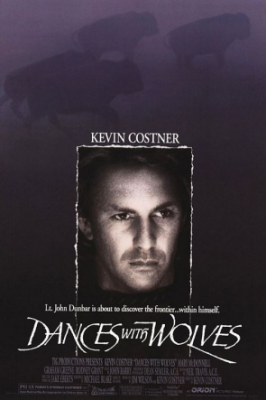 This film won seven Oscars in 1991, including Best Picture and Best Director Kevin Costner. (It was the first Western to be named Best Picture since Cimarron took the prize in 1931.) It remains one of the most popular Western films of all time, with one of the few positive and honest portrayals of Native American culture. And it is a genuine historical epic that deserves to be seen on the big screen, where its spectacular battle scenes and buffalo hunt can be fully appreciated.
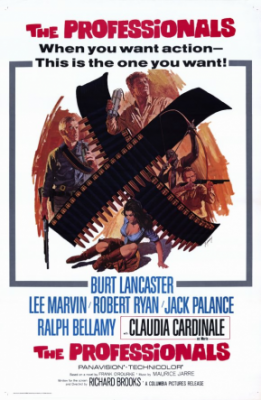 The film was nominated for three Academy Awards in 1966, including Best Director and Best Screenplay for Hollywood veteran (and past Oscar winner) Richard Brooks. This irreverent Western boasts plenty of sardonic humor and turns many of the values of the genre upside down, but it does not skimp on production values or striking cinematography (by Oscar winner Conrad Hall). “Taut excitement throughout” was the verdict of Leonard Maltin.
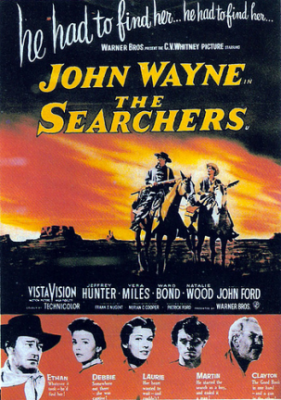 One of the finest collaborations of John Wayne and director John Ford is also one of the most influential and admired Westerns in history. At the time of its release, The New York Times’ Bosley Crowther called it “a ripsnorting Western,” but its reputation grew in later years.
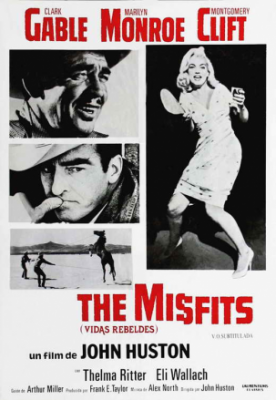 We close the weekend with a modern take on the oater genre. This 1961 film’s themes of outsiders and non-conformists misplaced in contemporary society, with no new undiscovered frontiers, provide a fitting elegy to the Western.