Just in time for Scary Season, Laemmle Theatres and the Anniversary Classics Series present The Howling (1981), one of the best werewolf movies in horror film history, for one showing only, Thursday, October 15th at 7:00 p.m. at Laemmle’s NoHo 7.
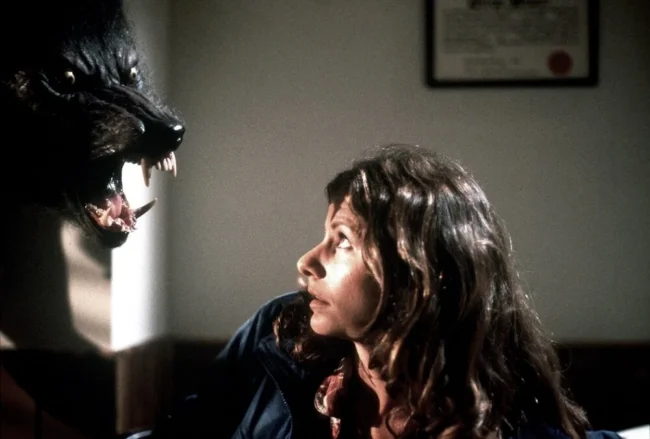
Director Joe Dante will be in attendance for an audience Q&A.
Based on the 1977 novel of the same name by Gary Brandner, the film follows a popular news anchor (Dee Wallace) who is stalked by a serial killer, and after a traumatic encounter induces amnesia, is sent by her therapist to the Colony, a resort that is also inhabited by a secret den of werewolves. Screenwriters John Sayles and Terence H. Winkless adapted the novel, with Sayles reuniting with Dante after writing his 1978 film Piranha (and makes a cameo appearance). The cast includes Patrick Macnee, Christopher Stone, Dennis Dugan, Robert Picardo, and genre veterans Kevin McCarthy, John Carradine, and Slim Pickens. The acclaimed transformation-makeup special effects are by Rob Bottin, and were widely praised as state-of-the-art at the time. In addition to directing, Dante also edited the film.
Sayles gives the film a satiric slant amidst the eroticism and gory violence, and with Dante, leavened the horror with dollops of humor among the lycanthropic carnage. All those elements were duly acknowledged by critics of the day. Variety noted that “Dante’s work reflects Alfred Hitchcock’s insistence that terror and suspense work best when counterbalanced by a chuckle or two.” J. Hoberman in The Village Voice called it “a superior entertainment, as creepy, witty and suggestive as its disreputable genre would warrant.” Preeminent critic Pauline Kael was “entertained continuously,” citing the “spoofy, erotic tone (that) isn’t afraid of being silly—which is its chief charm.”
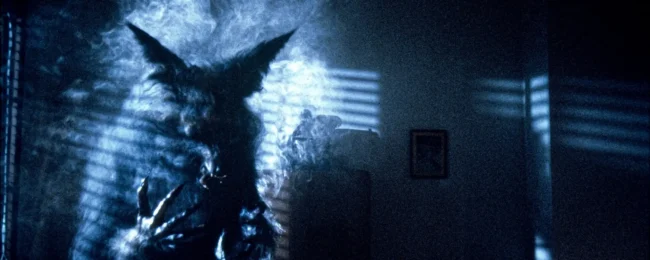
Its box office success spawned several sequels, generating a Howling franchise, consisting of three novels and eight films, the most recent released in 2011, with talk of a remake as recently as this year. Joe Dante, after beginning his career apprenticing under the legendary Roger Corman, gave his mentor a cameo in The Howling. His subsequent successful career includes such films as Gremlins, Innerspace, The ‘Burbs, and Matinee, as well as many other credits into the 21st century. And now the original film returns to the big screen as a seasonal offering for one night only. Don’t be afraid to discover or rediscover its delights Thursday, October 15 at 7:00 p.m. in NoHo.