AN EYE FOR AN EYE filmmaker Ilan Ziv will participate in Q&A’s after the 4:40 PM screenings at the Music Hall on Saturday and Sunday, October 29 and 30.
https://vimeo.com/177747964

Film Reviews & Previews
AN EYE FOR AN EYE filmmaker Ilan Ziv will participate in Q&A’s after the 4:40 PM screenings at the Music Hall on Saturday and Sunday, October 29 and 30.
https://vimeo.com/177747964
The CHIEF ZABU filmmakers, Zack Norman & Neil Cohen, will participate in Q&A’s at the Monicas on Friday, October 28 and Saturday, October 29 after the 5:40 & 7:50 PM shows.
https://vimeo.com/178231922
Opening night, Friday, October 21: AUTUMN LIGHTS Producer/star Guy Kent and writer/director Angad Aulakh will be participating in Q&As after the 7:10pm and 9:55pm showings of their film AUTUMN LIGHTS. The Q&As will be moderated by Steve Greene from Indiewire and Huffington Post contributor Anthony W. Orlando respectively.
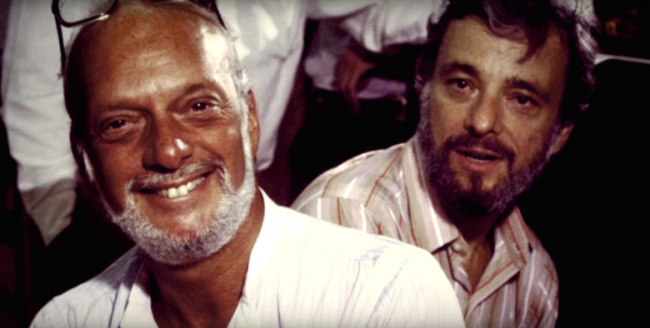
One of the truly legendary musicals in the history of Broadway, MERRILY WE ROLL ALONG opened to enormous fanfare in 1981, and closed after sixteen performances. For the first time, BEST WORST THING THAT EVER COULD HAVE HAPPENED draws back the curtain on the extraordinary drama of the show’s creation – and tells the stories of the hopeful young performers whose lives were transformed by it. Directed by Lonny Price, a member of the original cast, the film is a bittersweet meditation on the choices we all make, and the often unexpected consequences of those choices — through success and failure. Featuring exclusive appearances by Stephen Sondheim, Hal Prince, Jason Alexander, Mandy Patinkin, Adam Guettel, Frank Rich and the original Broadway cast of MERRILY WE ROLL ALONG. Reviewing BEST WORST THING THAT EVER COULD HAVE HAPPENED in Indiewire, Jude Dry described the film as “more than a story about a Broadway show; its most poignant moments examine the thrill of dreams coming true, and the inevitable come down afterwards.” We open the film at the Royal on November 25.
What’s more, the Wallis Annenberg Center for the Performing Arts in Beverly Hills will be presenting a new stage production of MERRILY WE ROLL ALONG between November 23 and December 18! Wallis has provided Laemmle patrons with a promo code that will give 25% off tickets for this production. The code is CINEMA.
The SEARCH ENGINES cast and crew will be participating in a Q + A following the 7pm screening at the NoHo on Friday, October 14:
Russell Brown – Writer / Director
Michael Muhney – Cast
Grace Folsom – Cast
Ayumi Iizuka – Cast
Christopher Gosch – Cast
Nicole Cummins – Cast
John Baumgartner – Producer
Afterward, there will be a post-screening reception at DISTRICT PUB. All are invited. No hosted bar.
Writer/Director Russell Brown will do Q + A following the 7pm screening on Saturday the 15th.
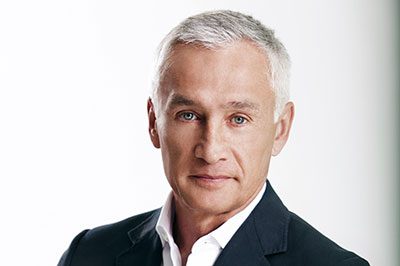
A black market smuggler is solicited by the CIA to help take down Flight TWA 800 and to cover up the Nicaraguan blackmail attempt on the Agency after the release of the online article “Dark Alliance’ by Pulitzer prize winning journalist Gary Webb.
COURIER-X star Udo Kier will participate in a Q&A after the 7:00 PM screening on Saturday, October 22nd.