CANCELLED: We regret to inform you that this Sunday’s Laemmle Live concert featuring Samohi Chamber Orchestra has been cancelled. This is in line with the school’s decision to cancel other large public gatherings. We appreciate your understanding of the situation.
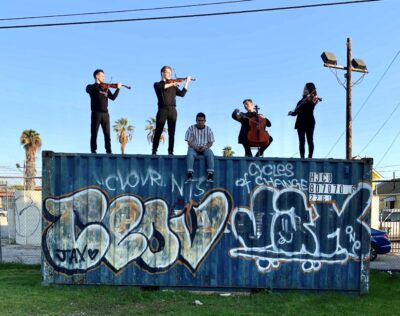
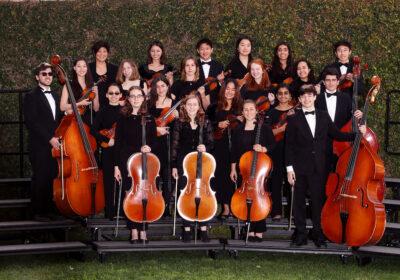
LAEMMLE LIVE proudly welcomes back our hometown band – Samohi Chamber Orchestra. Orchestra Directors are Joni Swenson and Jason Aiello. Santa Monica High School, fondly referred to as Samohi, is a large urban public high school. Founded in 1891, Samohi has an enrollment of 3,000 diverse students and is situated on a twenty-six acre campus just a short walk from the Pacific Ocean.
The Santa Monica Orchestra was founded in 1903, making 2020 its 117th anniversary. During this time, the program has grown to include seven orchestras at Samohi. The Santa Monica High School Chamber Orchestra is comprised of twenty-two talented and dedicated young musicians who are leaders in the Samohi Symphony Orchestra. In past years, the Santa Monica High School Chamber Orchestra has performed in Carnegie Hall in 2009, at the American String Teachers Association National Orchestra Festival in Kansas City, Kansas in 2011; at the Northwest Orchestra Festival in Portland, Oregon in 2013 and in 2017, and in Vancouver, British Columbia in 2015. Last year, the Samohi Chamber Orchestra performed in New York City at the National Orchestra Cup Festival held at Alice Tully Hall in Lincoln Center where they received the best string ensemble in the festival. The Chamber Orchestra is delighted for its fourth performance in the Laemmle Live Concert Series.
1st Violin
Rubani Chugh
Kielor Tung
Gina Kim
Ryan Lee
Sarah Michlin
2nd Violin
Anouk Jouffret
Emily Taylor
Chloe Schwartz
Isabella Miele-Okada
Lily Rafat
Janet Yang
Viola
Layla Shapouri
Dyllan Zhou
Grace McFalls
Naomi Villafana
Cello
Kaya Ralls
Lily Stern
Giulia Trevellin
Shoshanah Israilevich
Bass
Weston Kerekes
Alec Raymond
Silas Garcia-George
Samohi Orchestra Parents Association
Ann Raziel, President
Santa Monica High School
Dr. Antonio Shelton, Principal
Santa Monica Malibu Unified School District
Sunday, March 15, 2020
11:00 AM
Monica Film Center
1332 Second Street
Santa Monica
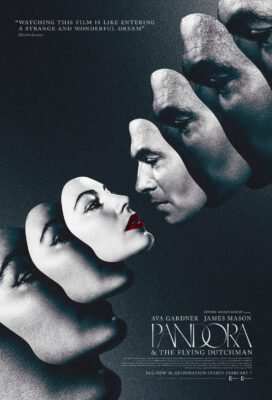
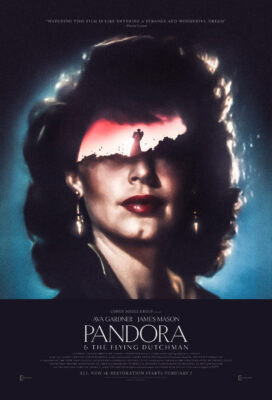

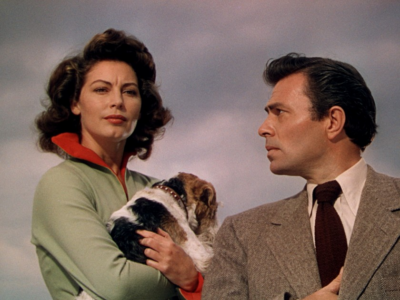
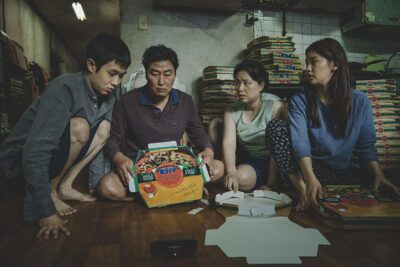
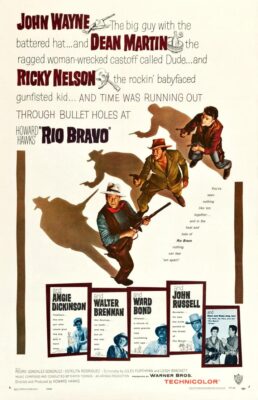
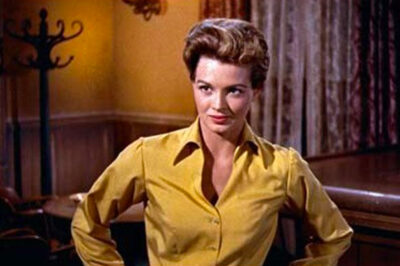 Laemmle Theatres and the Anniversary Classics Series present one of the best-loved westerns of all time, Howard Hawks’ 1959 action romp,
 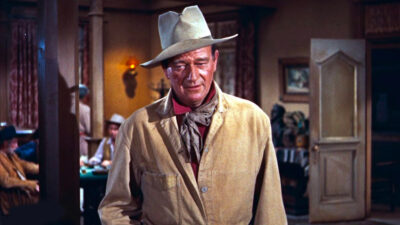 The story by B.H. McCampbell (Hawks’s eldest daughter Barbara) presents a fairly simple tale. Wayne plays a sheriff in a small Texas town who is holding a murderer (Claude Akins) in the town jail until the marshal can move him to a nearby penitentiary. But the killer’s brother, a wealthy rancher with a large gang of confederates, intends to break the prisoner out of jail. Wayne’s character is vastly outnumbered, but he turns to an unlikely posse—a drunken deputy (Martin), a helpless cripple (Brennan), and a young greenhorn (Nelson), along with a visiting lady gambler (Dickinson).
 Brackett surely contributed to the vitality of Angie Dickinson’s character, Feathers, a tough, sassy woman who more than holds her own in confrontations with Wayne. The Los Angeles Times took special note of Dickinson, saying, “starmaker Howard Hawks has worked some of the same kind of magic as he did with Lauren Bacall in To Have and Have Not.” Indeed, some of the memorable repartee between Bogart and Bacall in that film was recycled effectively in Rio Bravo.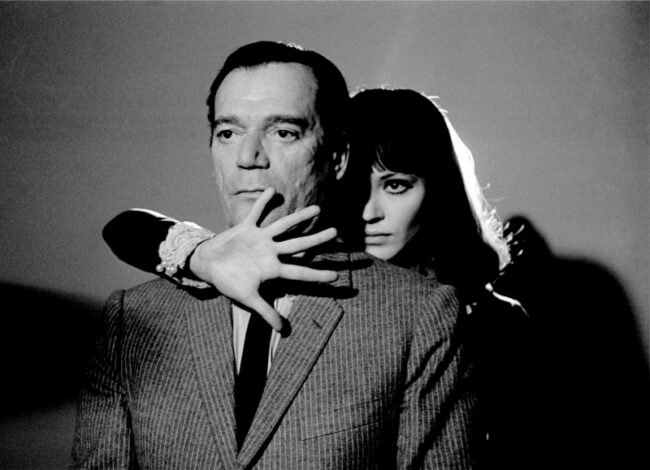
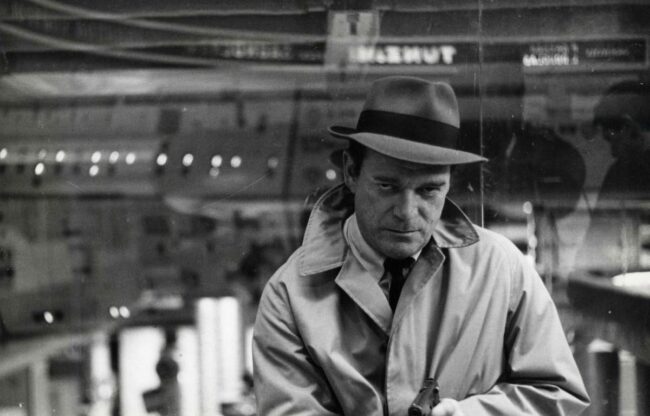
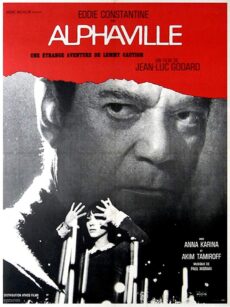 The film won the top prize, the Golden Bear, at the Berlin Film Festival. Reviews were mixed at the time, with some critics bewildered and others praising the film’s style and originality. Over the years it has been recognized as a prophetic work in its protest of the growing dehumanization of modern life. As the Boston Globe’s Ty Burr wrote, “Alphaville moves closer to relevance with every passing year.” The New Yorker’s Richard Brody called it “one of the great cinematic works of romanticism.” Time Out’s Keith Uhlich added, “Karina proves to be the beating heart of the movie.”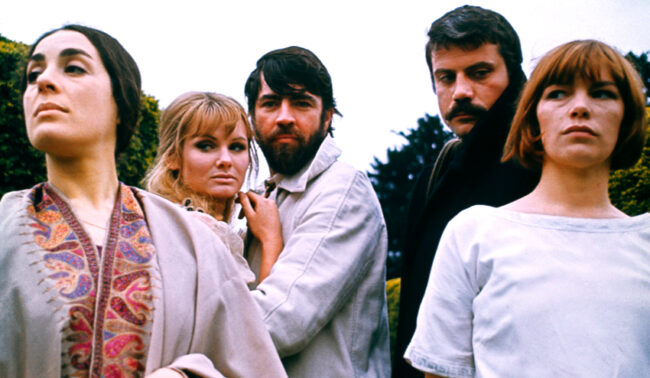
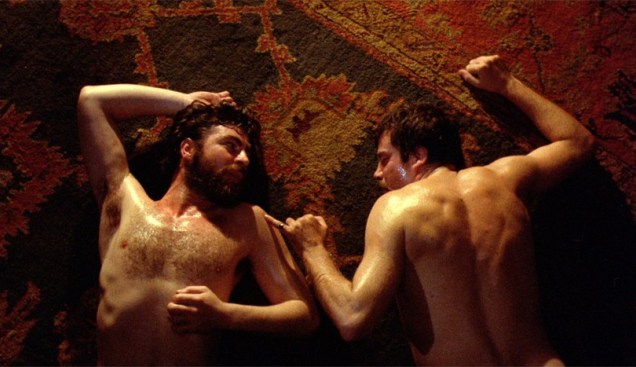
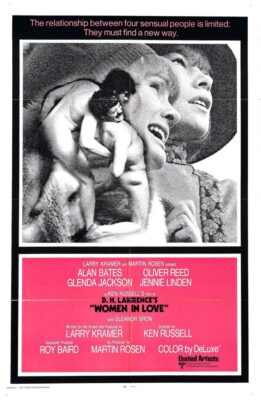 Director Ken Russell, best known for his “flamboyant and controversial style,” in such subsequent films as The Music Lovers, The Devils, The Who’s Tommy, Lisztomania, and Altered States, is notably more restrained in WOMEN IN LOVE. He did, however, connect with the sexual revolution and bohemian politics of the late 1960s, when the film was made, in notorious scenes such as the nude wrestling match between Reed and Bates, the first display of full-frontal male nudity in a mainstream movie. WOMEN IN LOVE represents his sole Oscar nod for directing.