On August 1st, 1966, a sniper rode the elevator to the top floor of the University of Texas Tower and opened fire, holding the campus hostage for 96 minutes. When the gunshots were finally silenced, the toll included 16 dead, three dozen wounded, and a shaken nation left trying to understand. Combining archival footage with rotoscopic animation in a dynamic, never-before-seen way, TOWER reveals the action-packed untold stories of the witnesses, heroes and survivors of America’s first mass school shooting, when the worst in one man brought out the best in so many others.
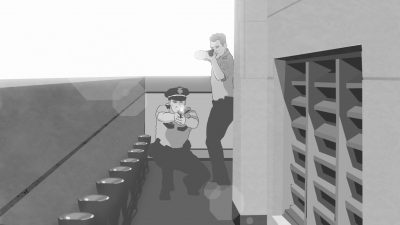
TOWER explores this untold history through the first-person stories of seven specific characters: two students who were shot that day, the two police officers who ended the siege, two civilians who inserted themselves into the story to provide aid to victims and police, and the radio reporter who broadcast live from the scene for more than an hour and a half, and whose broadcast was picked up nationally, bringing the events in Austin to listeners around the nation.
Director’s Statement:
“It’s impossible to separate the University of Texas tower shootings, America’s first mass school shooting, from the current spate of school shootings that seem to happen now with increasing regularity. With the 50th anniversary of America’s first school shooting approaching, I realized that the time to explore this untold history was now – and that through a creative approach, aimed at young audiences we could aim to explore themes of mental health, guns, public policy and media response to public tragedies all through the nuanced and personal lens of first hand accounts.
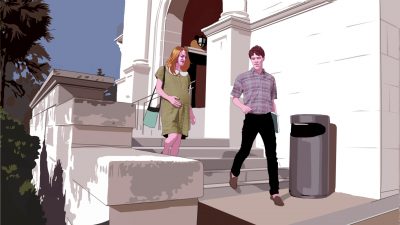
“Growing up in Texas, I’ve had curiosity about the Tower shootings since my 7th grade Texas history teacher recounted her experiences as a student on campus that terrible day. Her firsthand visceral account stuck with me for over 35 years and it is still the direct inspiration for my approach. I realized that through the visually exciting medium of rotoscopic animation, there was a dynamic opportunity to turn this history on its head. By focusing solely on witness accounts, we could seamlessly weave re-created animated memories of those who were there with the ample archival footage from the day to create an action-packed telling that was both immediate and emotionally charged.
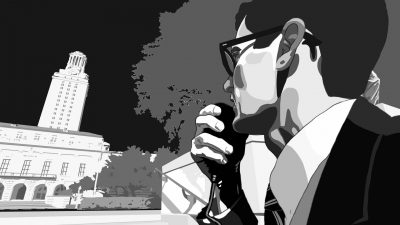
“Our approach is unique for a documentary, as is the structure of TOWER. The first hour of the film is set entirely in 1966, the action performed by a cast of young actors, based on the actual interviews of living survivors – these actions and interviews are then animated. It is late in the telling when one by one, the actual survivors are revealed in vibrant moments that expose the breadth of their humanity through the 50-year window of history. It’s a creative opportunity that keeps the audience guessing about who survived and who did not. Through this approach, we can engage millennials in in this relevant, untold history, at a time when active shooters on school campuses and other public places has become almost commonplace. Working with the survivors of this terrible day and reframing this history has been my greatest professional privilege.”
TOWER director-producer-editor Keith Maitland is the Emmy-nominated Director of THE EYES OF ME, a year-in-the-life of four blind teens, which broadcast on PBS’s Independent Lens and received a Barbara Jordan Media Award. Director of documentary features, commercials, and TV series, his credits also include seven seasons with NBC’s LAW & ORDER as an AD. Keith is currently developing narrative and documentary projects, and leading filmmaking workshops for incarcerated teens. He is a graduate of The University of Texas.
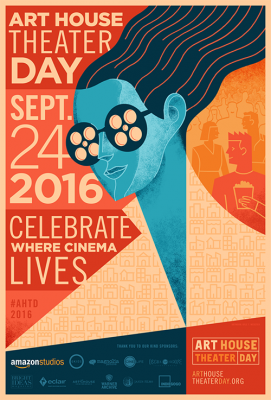 Saturday, September 24th is Art House Theater Day! It’s a day to recognize the contributions of film and filmmakers, staff and projectionists, and fellow brick and mortar theaters dedicated to providing access to the best cinematic experience.
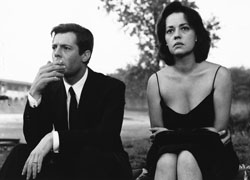 We’ll also soon screen two by Michelangelo Antonioni: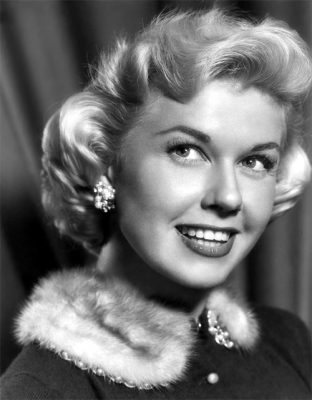
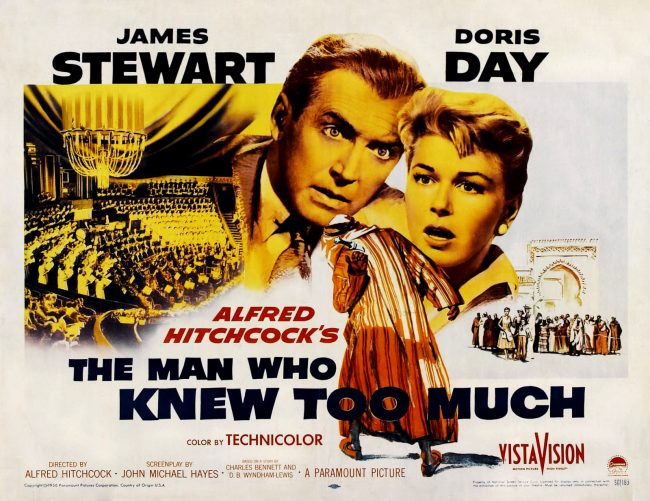 In The Man Who Knew Too Much one of Doris Day’s rare forays into the thriller genre, the actress introduced one of her most successful songs, the Oscar-winning hit, “Que Sera Sera.” But she also demonstrated her versatility in several harrowing and suspenseful dramatic scenes. She plays the wife of one of Hitchcock’s favorite actors, James Stewart. The movie was a box office bonanza for all parties. Hitchcock’s success during the 1940s allowed the director to employ bigger budgets and shoot on location for several of his Technicolor thrillers in the 1950s, including To Catch a Thief, Vertigo, and North by Northwest. For The Man Who Knew Too Much, a remake of his own 1934 film, Hitchcock traveled to Morocco and to London for some spectacular location scenes. In his famous series of interviews with the Master of Suspense, Francois Truffaut wrote, “In the construction as well as in the rigorous attention to detail, the remake is by far superior to the original.” The plot turns on kidnapping and assassination, all building to a concert scene in the Royal Albert Hall that climaxes memorably with the clash of a pair of cymbals.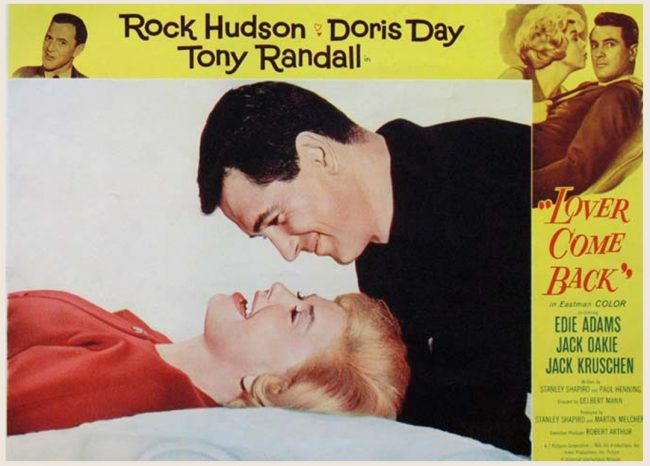
![FFJ-CC-600-x-250[3]](https://blog.laemmle.com/wp-content/uploads/2016/08/FFJ-CC-600-x-2503.jpg "Stephen Frears' and Meryl Streep's FLORENCE FOSTER JENKINS screenings with behind-the-scenes footage and pre-recorded cast Q&A Thursday night and Sunday afternoon. 10")