Dear Laemmle Fans,
As we enter the third week of CoronaClosure, I again want to thank you for your show of support. You are amazing! If you can, please continue buying Premiere Cards and Gift Cards.
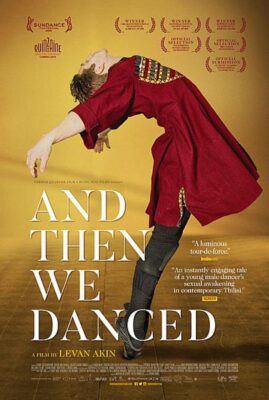
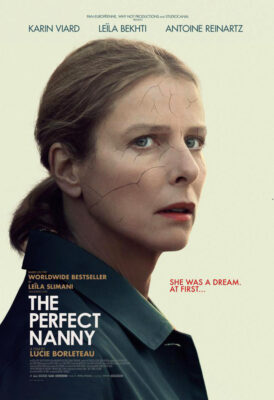
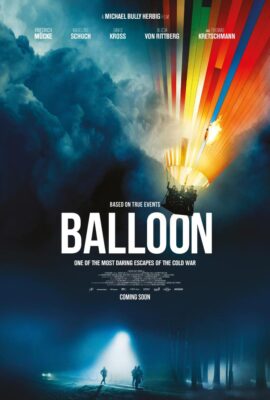
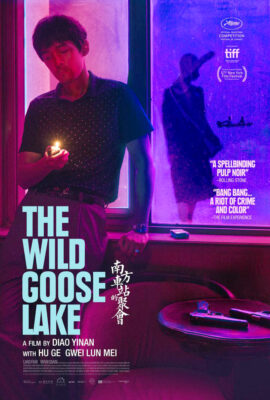
In this email, we are adding four new titles to the LVC program. And Then We Danced is a terrific film from Georgia, perhaps my favorite film that opened in the first part of this year. We are also adding Balloon and The Wild Goose Lake, two well reviewed films that had the misfortune of opening on Friday, March 13, and were not able to play for even a full week in theatres. Finally, we are adding Perfect Nanny, a film that has not opened theatrically in the US, but who’s star, Karin Viard, was nominated for a Cesar Award as Best Actress following the film’s French release in 2019.
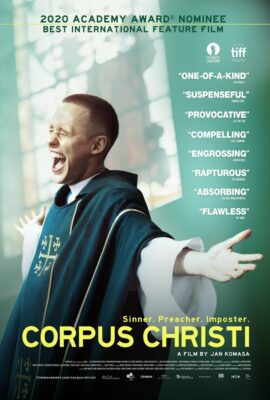
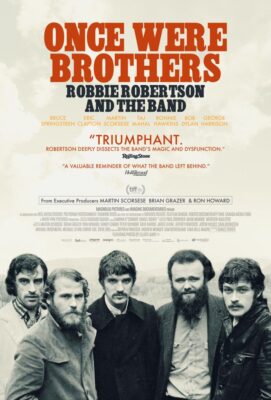
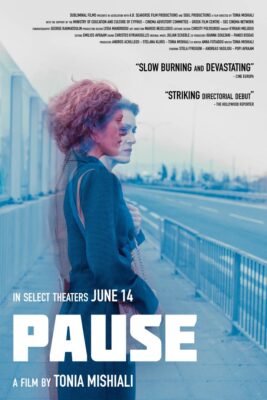
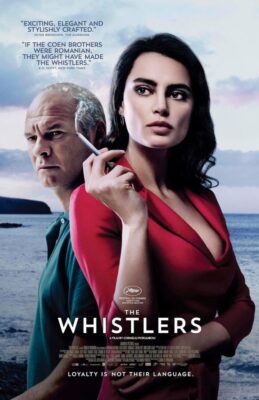
These join the films that are already available, which include the Sonia Braga starrer Bacurau, the Oscar-nominated Corpus Cristi, the cult hit Fantastic Fungi, the essential documentary for fans of The Band Once Were Brothers, the critically acclaimed Pause (100% on Rotten Tomatoes), the American Indie comedy Phoenix, Oregon, and the Romanian crime-thriller The Whistlers. Remember, if you watch any of these films via the LVC program, a portion of your payment will support us as we fight to reopen.
We’ll be adding more films on Friday, so stay tuned for another message at the end of this week.
All the best,
Greg Laemmle
………………………………………………………
Laemmle’s Virtual Cinema
New Releases for MARCH 30 • Click posters for “Watch Now” instructions.
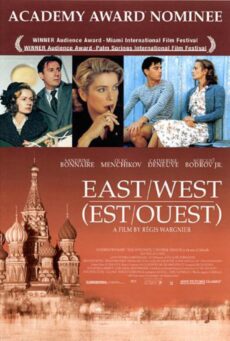 Laemmle Theatres and the Anniversary Classics Series present this month’s film in our popular Anniversary Classics Abroad program: Regis Wargnier’s compelling and increasingly timely thriller,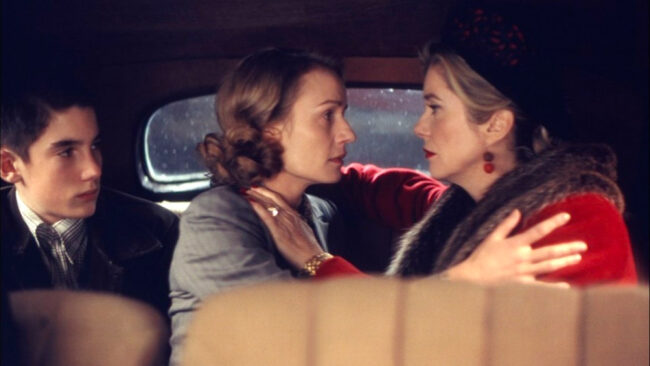
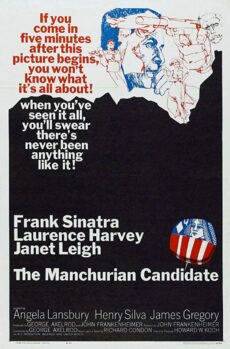 Laemmle Theatres and the Anniversary Classics Series invite you to celebrate the publication of Stephen Farber and Michael McClellan’s new book, Cinema ’62: The Greatest Year at the Movies, with screenings of one of the most memorable movies from 1962, John Frankenheimer’s The Manchurian Candidate.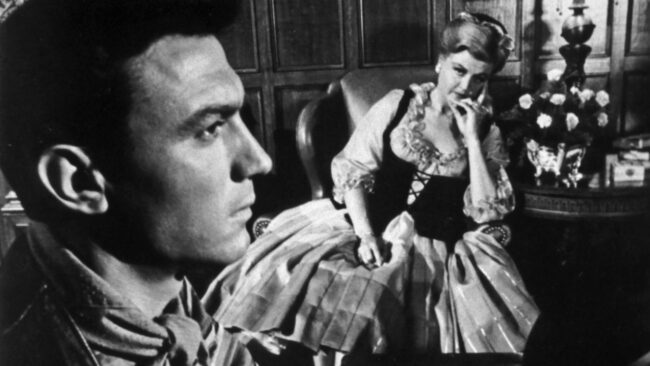
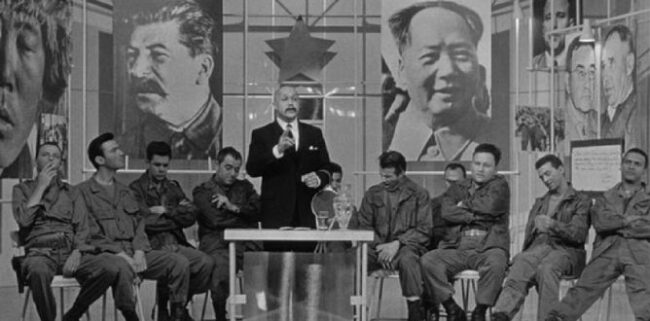
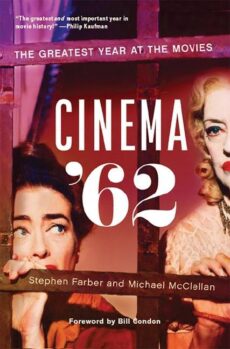 Cinema ’62 provides fascinating anecdotes about this classic thriller and about many of the other masterpieces of this landmark year. Read all about them after you enjoy this innovative, frightening, wickedly funny, and ever-timely highlight from a year full of cinematic wonders.